What's Included in Pet Waste Station Maintenance?
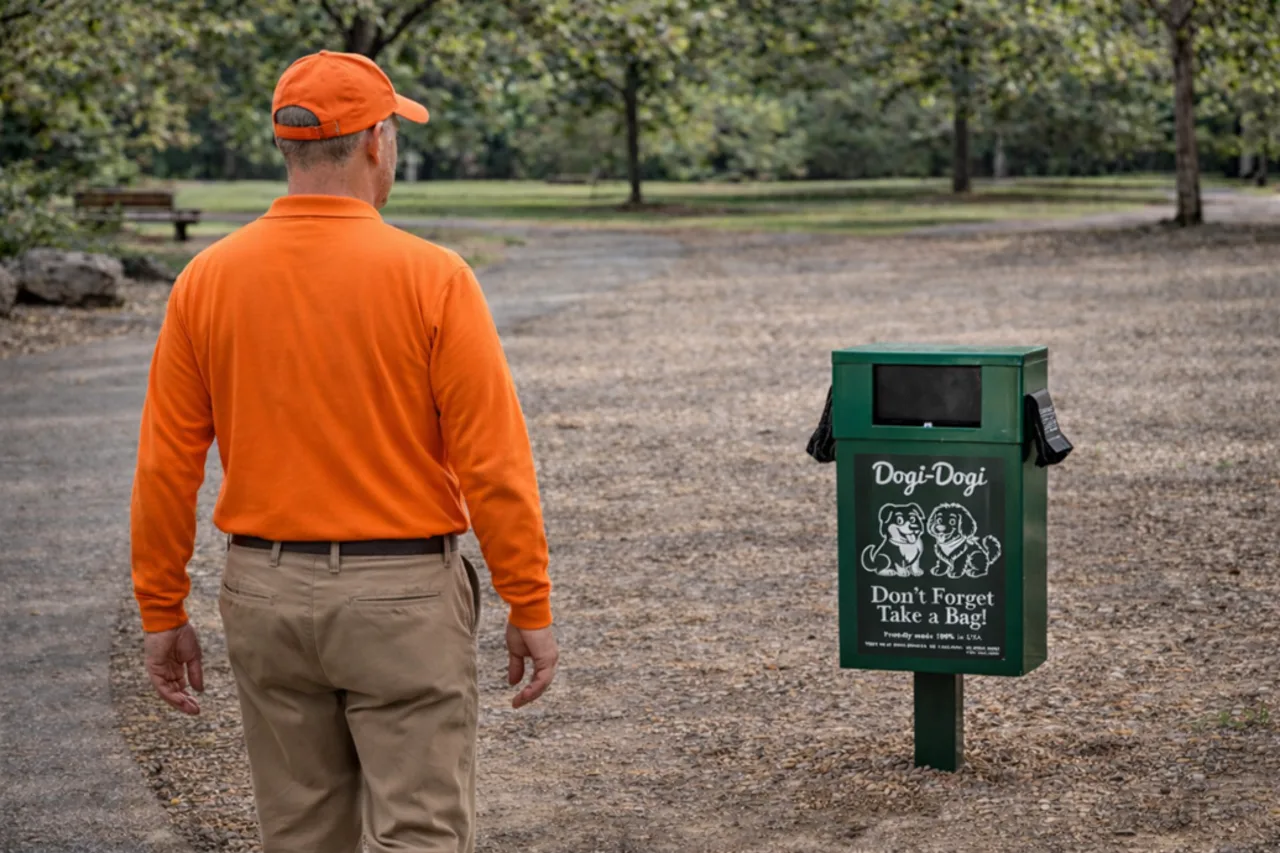
For a pet waste station program to work well over time, the station needs more than a one-time installation. It needs routine upkeep that keeps it clean, stocked, usable, and presentable.
For a pet waste station program to work well over time, the station needs more than a one-time installation. It needs routine upkeep that keeps it clean, stocked, usable, and presentable in the setting where people see and use it.
That is why station maintenance matters. A station that is technically still standing but has no bags, a full receptacle, or a neglected appearance is not doing its job very well. In many properties, that kind of inconsistency is what causes a pet waste station program to feel ineffective.
If you are evaluating service options or planning station upkeep internally, here is what pet waste station maintenance typically includes and why each part matters.
1. Emptying the waste receptacle
One of the most basic parts of pet waste station maintenance is removing the collected waste from the station. This may sound simple, but it is one of the most important tasks in the entire program.
If receptacles are allowed to overfill, the station quickly becomes less usable and less pleasant for residents or visitors. Overflow can also make the entire station area look neglected, even if the rest of the property is well maintained.
Routine emptying helps the station stay functional, reduces obvious service problems, and supports a cleaner overall environment.
2. Restocking pet waste bags
A station cannot do much good if it runs out of bags. That is why restocking is another core part of proper maintenance.
In practice, restocking means checking the station's current bag supply and refilling it before the station becomes empty or unreliable for daily use. The right restocking frequency depends on how heavily the station is used, where it is placed, and how much dog-walking traffic the surrounding area receives.
When stations are consistently supplied, residents are more likely to use them as intended. When they are often empty, the program becomes harder to trust.
3. Wipe-downs and appearance checks
Maintenance is not only about the inside of the station. The outside matters too. Over time, stations may collect dust, residue, splashes, fingerprints, or general buildup from normal outdoor exposure and use.
A proper maintenance routine often includes wipe-downs and basic appearance checks so the station continues to look cared for and presentable. This is especially important in visible common areas where outdoor appearance affects resident experience.
A clean station does not need to look overpolished. It just needs to look maintained, functional, and appropriate for the property.
4. Basic condition review during service
Each maintenance visit is also an opportunity to notice whether the station is still in good working order. That does not necessarily mean a full repair visit every time, but it does mean paying attention to obvious issues while the station is being serviced.
That can include checking for things like:
- Low or empty bag supply
- Full receptacle conditions
- Visible mess around the station
- Exterior appearance issues
- Obvious signs that the station needs additional attention
Catching those issues early can help prevent a minor service problem from turning into a bigger presentation or usability issue later.
5. Cleanup around the station when needed
In some settings, station maintenance also involves addressing light mess around the station itself. That may include small debris, loose litter, or localized pet-waste-related mess near the service point.
This matters because people usually judge the condition of a station by the area immediately around it, not just the box itself. Even if the station is stocked and emptied, the program can still feel poorly maintained if the surrounding area looks neglected.
The exact scope of this kind of cleanup can vary by property and service arrangement, but it is often part of keeping the station area functional and visually acceptable.
6. Service frequency should match real usage
Not every station needs the same service interval. A heavily used station in a busy dog-walking corridor may need more frequent attention than a quieter station in a lower-traffic area.
That is why maintenance should be based on real usage conditions rather than a one-size-fits-all assumption. Useful factors to consider include:
- Property size
- Number of dogs or likely dog traffic
- Station placement
- Frequency of resident use
- Appearance expectations in common areas
- Whether service is being handled internally or by an outside provider
A station program usually works best when the service schedule reflects how the property actually functions.
7. Maintenance should support the whole program, not just the equipment
Good pet waste station maintenance is not just about preserving the station itself. It is about keeping the overall program dependable. That includes making sure residents can access bags, dispose of waste properly, and see that the property is actively maintaining the system.
For that reason, maintenance should be viewed as part of the full property-upkeep picture, alongside placement decisions, supply quality, and broader common-area cleanliness. A station program is much more likely to succeed when maintenance is treated as an operational routine rather than a reactive task.