Pet Waste Bags: What 1.0 Mil Actually Means in Real Use
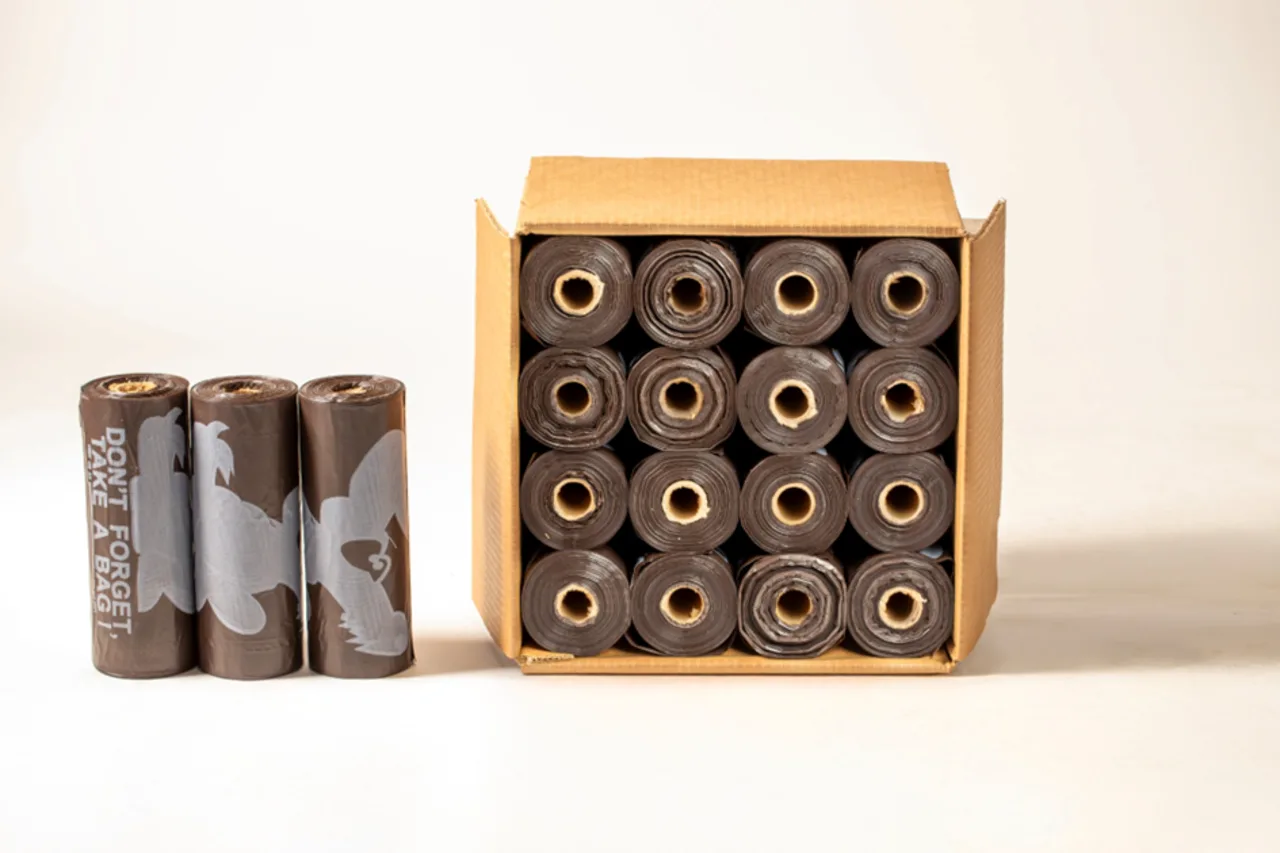
When Dogi-Dogi says its pet waste bags are 1.0 mil, that refers to the thickness of the bag material. In practical terms, that is 40+% thicker than many typical 0.7 mil bags.
For communities, apartment properties, HOAs, and other shared outdoor spaces, pet waste bags are a small product that affects day-to-day usability in a big way. If the bags are too thin, they can feel flimsy in use, tear more easily, and create a poorer experience for residents, staff, and service providers.
When Dogi-Dogi says its pet waste bags are 1.0 mil, that refers to the thickness of the bag material. In practical terms, Dogi-Dogi's 1.0 mil pet waste bags are 40+% thicker than many typical 0.7 mil bags. That difference does not automatically tell the whole story about every bag on the market, but it does help explain why thickness matters in real use.
If you are comparing bag options for a pet waste station program, here is what 1.0 mil actually means and why it can matter to a property or community over time.
1. "1.0 mil" refers to material thickness
A mil is one-thousandth of an inch. When a pet waste bag is described as 1.0 mil, it is describing the thickness of the plastic material used to make the bag.
Thickness is not the only thing that affects performance, but it is one of the easiest specifications to compare when evaluating bag quality. A very thin bag may still look fine in a product photo or catalog. In actual use, though, thickness can influence how the bag feels in the hand, how it opens, and how confidently a user handles it.
For buyers evaluating pet waste station supplies, material thickness is one of the clearest starting points because it gives a more concrete basis for comparison than generic words like "strong" or "durable."
2. Why the difference between 1.0 mil and 0.7 mil matters
Many competing pet waste bags are around 0.7 mil. Dogi-Dogi pet waste bags are 1.0 mil, which means they are 40+% thicker than many typical 0.7 mil bags.
That difference matters because very small changes in thickness can still feel noticeable in everyday handling. In real use, a thicker bag may feel less flimsy, more substantial, and easier to trust during pickup than a thinner alternative.
For a property manager or buyer, that practical difference can affect more than one moment of use. It can influence how residents perceive the station, whether the bag supply feels dependable, and whether the overall program feels thoughtfully specified rather than cheaply assembled.
3. Bag thickness affects user experience at the station
A pet waste station only works well when people actually use it. That sounds obvious, but the user experience matters. Residents and visitors usually do not think in terms of technical specifications. They notice whether the bag feels easy to use and whether the station appears well stocked with reliable supplies.
Thinner bags can contribute to a lower-confidence experience. Even when they do not fail outright, they may feel less substantial in the hand. That can make the entire station feel lower quality to the person using it.
A thicker bag does not turn a station program into a luxury feature. It simply supports a more practical and dependable experience, which is often what matters most for communities trying to keep common areas clean and easy to maintain.
4. Thickness also matters for operational consistency
Property managers and service providers usually look at more than the resident-facing experience. They also have to think about what the supply choice means operationally over time.
Bag quality can affect how often people complain, how confidently staff or contractors restock supplies, and whether the station program feels like a reliable part of community upkeep or an ongoing weak point.
When a property standardizes around a bag that feels more substantial in real use, it can help support consistency. That matters especially in communities where appearance, maintenance standards, and resident perception all carry weight.
5. Compare the specification, not just the marketing
When reviewing pet waste bag options, it helps to compare measurable information whenever possible. A product description may sound impressive, but material thickness gives buyers a more concrete way to understand what they are getting.
That does not mean thickness is the only factor worth considering. Bag size, format, packaging, compatibility with the station, and supply logistics also matter. But thickness is one of the clearest ways to avoid comparing products only by appearance or vague claims.
For Dogi-Dogi's current product positioning, the key point is simple: 1.0 mil pet waste bags are 40+% thicker than many typical 0.7 mil bags. That is a practical specification difference, not just a marketing phrase.
6. Different bag formats can still support the same quality standard
Dogi-Dogi offers pet waste bags in multiple formats, including rolls and wicket-style bags. The format may affect how the bags are dispensed and how they are stocked, but the quality conversation still comes back to the same underlying question: does the bag feel dependable in real use?
For some buyers, the bag format decision may be driven by station design, preferred loading method, or maintenance workflow. Whatever the format, the goal is still to provide a bag that works smoothly in everyday use rather than feeling like a disposable afterthought.