How to Choose the Right Pet Waste Station for a Community or Property
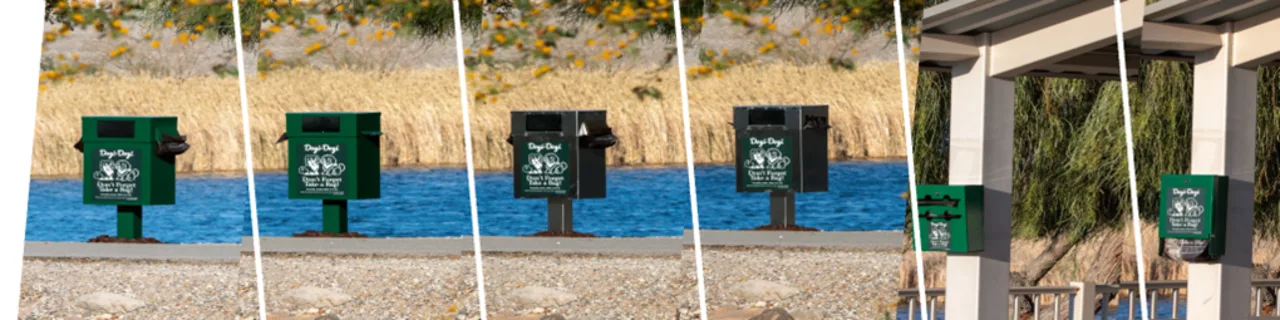
Choosing the right pet waste station is usually less about picking the model that looks best in a photo and more about choosing a setup that fits how a property is actually used.
Choosing the right pet waste station is usually less about picking the model that looks best in a photo and more about choosing a setup that fits how a property is actually used. A station that works well in one community may not be the best fit for another, especially when layout, traffic, maintenance expectations, and bag format preferences are different.
For HOA boards, community managers, apartment managers, and similar decision-makers, the best choice is usually the one that supports reliable daily use, practical upkeep, and a cleaner overall property experience.
Start with the property itself, not the catalog
Before comparing station models, it helps to step back and look at the property as a whole. A small HOA with a few walking paths may need a different setup than a large apartment community with multiple buildings, common-area corridors, greenbelts, or dog-walking loops.
Questions worth asking early include:
- Where do residents actually walk dogs?
- Are there one or two recurring trouble spots, or does the need exist across the property?
- Is the goal to support a few key locations, or to create a broader station program that covers a larger footprint?
Starting with the property first usually leads to better station decisions than choosing a model in isolation and trying to make it fit later.
Think about usage volume and service rhythm
A station that is lightly used can sometimes function well with a simpler setup and less frequent service. A station placed in a high-traffic dog-walking area may need more frequent emptying and restocking, and that should influence what type of station and servicing plan makes the most sense.
In practice, station selection and maintenance planning go together. It is helpful to think about bag use, waste volume, and how often the station will realistically be checked. Choosing a station without considering service rhythm can lead to preventable frustration later.
Key factors to consider:
- How many residents or users are likely to rely on the station
- Whether the property has one main dog area or many smaller routes
- Who will empty and restock the station
- How often the property can realistically support service
Choose a station built for real outdoor conditions
Pet waste stations are outside all day, every day. They may be exposed to sun, wind, dust, irrigation, temperature swings, and routine public use. In some settings, they also need to stand up to rougher handling over time.
That is why build quality matters. A heavier-duty station can help reduce replacement headaches and support a more consistent appearance across the property. A station that looks acceptable at first but does not hold up well outdoors can create extra maintenance burden later.
Dogi-Dogi stations are built from thick 14 gauge steel. Paintlock steel stations are primed and powder coated, while stainless steel stations are not powder coated. That distinction matters when comparing options because the right material choice may depend on the property's priorities, appearance preferences, and environment.
Match the station format to how the property wants to operate
Not every property wants the same station configuration. Some may prefer a simpler model, while others may want a setup that better supports a certain bag format, appearance style, or site condition. The right choice depends on how the property plans to use, maintain, and present the station program.
This is also where supply decisions matter. If the station will be used regularly, bag and liner quality should be part of the selection process, not an afterthought. Dogi-Dogi pet waste bags are 1.0 mil, which is 40+% thicker than many typical 0.7 mil bags, and Dogi-Dogi liners are 1.5 mil, which is 50% thicker than many typical 1.0 mil liners. Those differences may sound small on paper, but they can matter in daily use, restocking confidence, and overall program reliability.
Placement should support use, not just installation convenience
The right station can still underperform if it is placed where people do not naturally walk dogs. Communities often get better results when stations are placed where residents already move, not simply where installation is easiest.
Good locations may include:
- Common dog-walking paths
- Visible, easy-to-reach areas
- Known recurring problem spots
- Locations that can also be realistically serviced
The goal is not to install as many stations as possible. It is to install them where they will actually be seen and used.
Think beyond the station: think about the full program
For many properties, the station itself is only one part of the decision. A successful program usually also includes bag supply, liner supply, emptying, restocking, wipe-down maintenance, and a clear plan for who handles each part.
Some communities manage this internally. Others prefer outside support. Dogi-Dogi's current service scope includes station emptying, restocking, and wipe-down maintenance, along with related pet waste cleanup, small trash and debris cleanup, and push sweeping for curbs, sidewalks, and smaller-access areas not suited for large commercial sweeper trucks. Services are currently offered in the Las Vegas metro and surrounding area, while products ship nationwide across the USA.
That broader view can help managers choose a station that fits not only the property, but also the real operating model behind the program.