How Often Should Pet Waste Stations Be Emptied and Restocked?
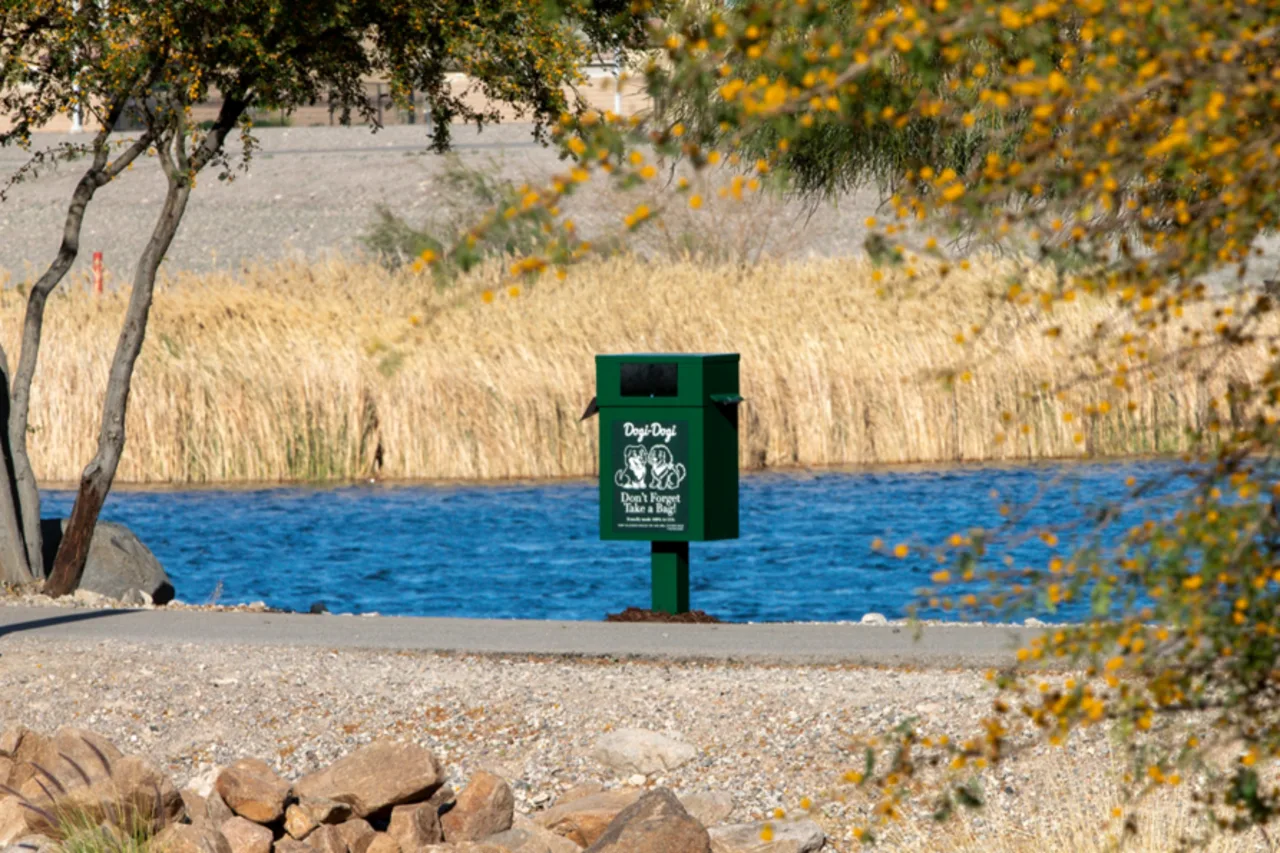
There is no single universal schedule for every pet waste station. The right service frequency depends on how much use a station gets, where it is placed, and how important a clean appearance is for the property.
There is no single universal schedule for every pet waste station. The right service frequency depends on how much use a station gets, where it is placed, how many dogs regularly pass through the area, and how important a clean appearance is for the property.
For HOA and apartment managers, the practical goal is not just to install a station and check it occasionally. The goal is to keep it usable. That means bags should be available when residents need them, waste should be removed before receptacles become a problem, and the station should continue to look maintained as part of the larger property environment.
In many cases, stations need more attention than property teams initially expect. Here is how to think about service frequency in a practical way.
1. Start with usage, not guesswork
The most important factor is how heavily the station is used. A station near a major walking path, dog relief area, lake path, greenbelt edge, or building cluster will usually need more frequent service than a station in a lower-traffic area.
A lightly used location may be fine with less frequent attention. A heavily used location may need service much more often to stay stocked and presentable.
When deciding how often to empty and restock a station, managers should consider:
- How many residents regularly walk dogs nearby
- Whether the station serves one small area or a broader path network
- How quickly bags are used in normal conditions
- Whether the station fills up faster on weekends or during certain seasons
- How visible the station is in a resident-facing common area
2. Many properties need more than a once-in-a-while approach
One common mistake is treating pet waste stations as if they only need occasional attention. In reality, the service schedule often determines whether the overall program feels dependable.
If a station sits empty for long stretches, residents notice. If the waste receptacle becomes too full, they notice that too. Once a station appears neglected, it can reduce use and make the program feel less effective than it actually could be.
For that reason, many communities do better with a recurring schedule rather than a reactive one. Even if the exact frequency varies, consistency is usually more important than waiting until there is a visible problem.
3. A practical baseline often starts with weekly service — but not always
For many communities, weekly service is a reasonable starting point. That can be enough for some lower-traffic stations, especially where the property layout, resident volume, and dog activity are moderate.
But weekly service is not automatically enough everywhere. Some stations may need attention more often, especially if they are located in high-use areas or if the property places a high priority on maintaining clean, resident-facing common spaces.
In practice, managers often find that the right answer is one of the following:
- Weekly service for lower- to moderate-use stations
- Multiple service visits per week for higher-use locations
- Different schedules for different stations on the same property
4. Bag usage and waste volume do not always move at the same pace
Emptying and restocking are related, but they are not always driven by exactly the same pattern. Some stations go through bags quickly. Others may generate more waste volume than expected. A station can also look acceptable from a distance while already being low on supplies.
That is why frequency planning should consider both sides of the station:
- How fast the bag supply is being used
- How quickly the waste receptacle is filling
- Whether liners are lasting as expected
- Whether the station still looks clean and maintained between visits
5. Placement affects service frequency more than many people expect
Two identical stations can require very different service schedules if they are placed in different parts of the same property. A station along a busy walkway will usually behave differently than one in a quieter secondary area.
Placement can affect how often a station should be emptied and restocked because it influences visibility, convenience, and total use. This is one reason station programs work best when placement and maintenance planning are considered together rather than separately.
6. Appearance standards matter too
The right frequency is not only about preventing complete bag depletion or overflow. It is also about maintaining the appearance of the station and the surrounding area.
For some properties, especially those that place a strong emphasis on presentation, resident experience, and outdoor common-area upkeep, stations may need to be checked or serviced often enough that they continue to look intentional rather than overlooked.
That may include:
- Removing waste before it becomes visually noticeable
- Restocking bags before the station looks picked over or empty
- Wiping down the station as part of routine service
- Coordinating pet waste station service with small trash or debris cleanup when appropriate
7. Review and adjust after the program is live
A starting schedule is useful, but it should not be treated as permanent without review. Once stations are in use, actual service needs become easier to see.
Managers should watch for signs that a station needs a different schedule, such as recurring low-bag conditions, receptacles filling sooner than expected, or repeated complaints tied to particular locations.
A program usually becomes more effective when service frequency is adjusted based on real use rather than assumptions made before installation.