What HOA and Apartment Managers Should Look for in a Pet Waste Station Program
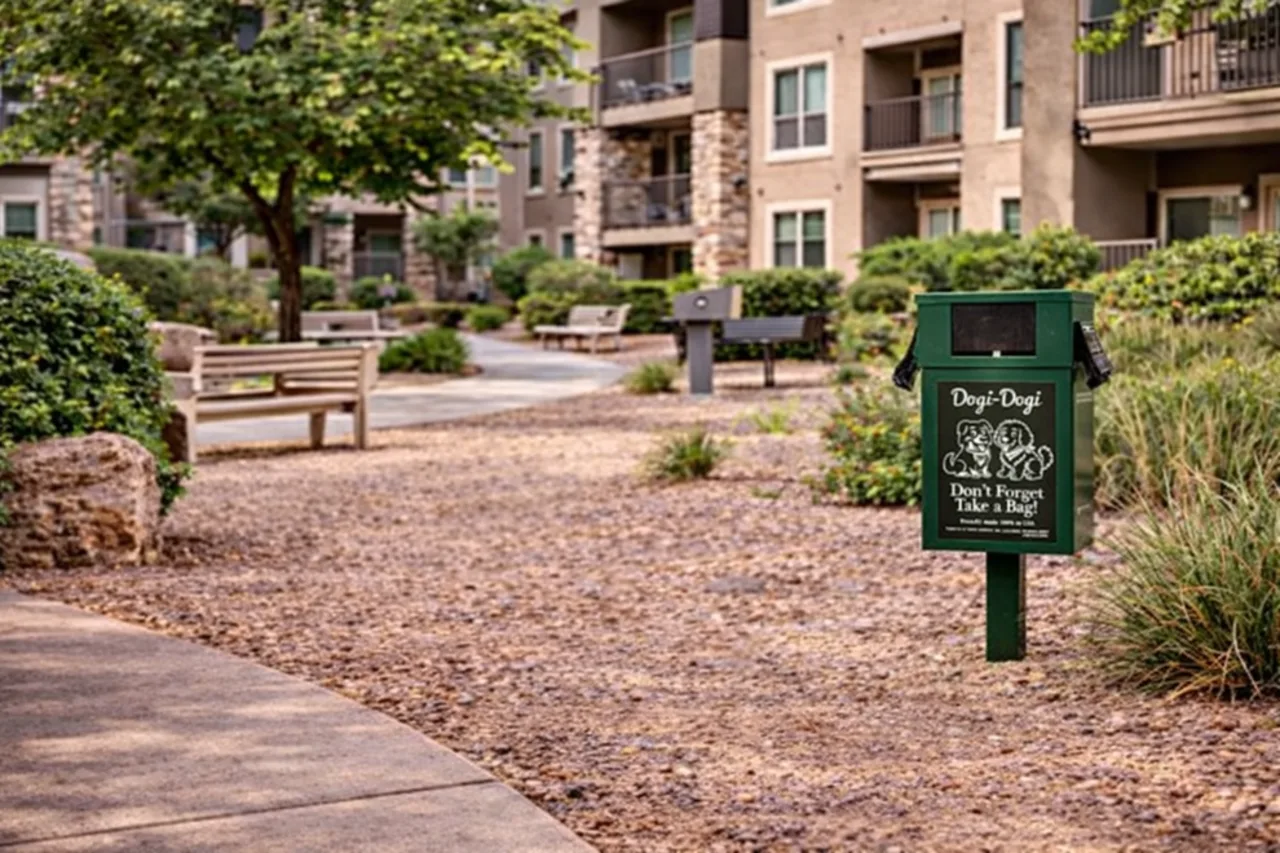
For HOA and apartment managers, a pet waste station program is not just about adding a dispenser to a property. It is part of how a community stays clean, presentable, and easier to manage.
For HOA and apartment managers, a pet waste station program is not just about adding a dispenser to a property. It is part of how a community stays clean, presentable, and easier to manage.
A good program should help reduce visible pet waste, support residents who walk dogs on the property, and make routine upkeep more manageable for the people responsible for the community. A poor program can create the opposite result: empty bag dispensers, overflowing waste, inconsistent maintenance, and equipment that does not hold up well outdoors.
If you are evaluating a pet waste station program for a homeowners association, apartment community, or similar property, here are some of the most important things to look for.
1. Station durability should match real outdoor use
A pet waste station sits outside every day. It may be exposed to sun, wind, irrigation, dust, temperature swings, and regular public use. In some communities, it may also need to hold up to rougher handling.
That is why build quality matters.
When evaluating a station, it helps to look beyond appearance and ask practical questions:
- What material is the station made from?
- Is it built for long-term outdoor use?
- Is it lightweight and flimsy, or made for repeated daily use?
- Will it continue to look and function well after ongoing exposure?
For many communities, a heavier-duty station can make more sense than a lighter, more disposable-feeling unit. A station that holds up better can reduce replacement headaches and support a more consistent appearance across the property.
Dogi-Dogi stations are built from thick 14 gauge steel. Paintlock steel models are primed and powder coated, while stainless steel models are not powder coated. That distinction matters when comparing station options and materials.
2. Bag and liner quality affects daily usability
A pet waste station program depends on regular use by residents and visitors. If the bags tear too easily or the liners are too thin for real-world conditions, the program becomes more frustrating for everyone involved.
This is one of those areas where small specification differences can have a practical impact.
For example:
- Dogi-Dogi pet waste bags are 1.0 mil.
- Many competing pet waste bags are around 0.7 mil.
- Dogi-Dogi liner bags are 1.5 mil.
- Many competing liners are around 1.0 mil.
That means 1.0 mil pet waste bags are 40+% thicker than many typical 0.7 mil bags, and 1.5 mil liners are 50% thicker than many typical 1.0 mil liners.
For property managers, this matters because bag and liner quality can affect resident experience, mess reduction, restocking reliability, maintenance convenience, and overall confidence in the program.
3. Placement matters as much as the equipment
Even a well-built station can underperform if it is placed in the wrong location.
Communities often get better results when stations are placed where people naturally walk dogs, rather than where the station is simply easiest to install. That may include:
- Common walking paths
- Greenbelt edges
- Pet relief areas
- Entrances and exits to dog-friendly paths
- Shared open-space corridors between buildings
- Areas where recurring pet waste issues already exist
The goal is not to place stations everywhere. The goal is to place them where they are likely to be seen and used.
Good placement decisions can help improve compliance, reduce problem areas, and make maintenance more efficient.
4. Maintenance expectations should be clear from the start
A pet waste station program is only as good as its ongoing upkeep.
When managers evaluate a program, they should think beyond initial installation and ask:
- Who will empty the waste?
- Who will restock bags?
- How often will the station be checked?
- Who will handle wipe-downs or light appearance maintenance?
- How will missed service or low-supply issues be identified?
On some properties, the maintenance team may handle this internally. On others, it may make more sense to work with an outside provider.
Either way, the maintenance side should not be treated as an afterthought. A station with no bags or an overfilled receptacle can quickly undermine the value of the entire program.
Dogi-Dogi's current service scope includes station emptying, restocking, and wipe-down maintenance, along with related pet waste cleanup, small trash and debris cleanup, and push sweeping for curbs, sidewalks, and smaller-access areas not suited for large commercial sweeper trucks. Services are currently offered in the Las Vegas metro and surrounding area, while products ship nationwide across the USA.
5. The program should fit the property, not just the catalog
Not every property has the same layout, traffic patterns, resident behavior, or maintenance needs.
A smaller HOA may need a simple, durable setup in a few well-chosen locations. A larger apartment community may need multiple stations, more frequent service, and a broader approach to outdoor cleanliness. Some properties may also benefit from coordinating pet waste station service with other recurring cleanup work.
That is why it helps to evaluate a program in context:
- How large is the property?
- How many dog-walking areas are there?
- Are there recurring complaints or visible trouble spots?
- Will stations be self-maintained or serviced?
- Is appearance a major priority in resident-facing common areas?
- Are there adjacent issues, such as small litter or walkway debris, that should also be addressed?
A strong program should feel tailored to the property's actual conditions, not copied from a generic template.
6. Consistency matters for resident experience
Residents notice when outdoor common areas feel cared for. They also notice when maintenance feels inconsistent.
A well-managed pet waste station program can help support a cleaner and more orderly environment by making disposal easier and by showing that the property has put a practical system in place. That does not mean a station program solves every cleanup issue on its own, but it can be a meaningful part of overall community upkeep.
For many HOA and apartment managers, the goal is not just to install stations. It is to create a program that residents will actually use and that staff can realistically maintain over time.
7. A provider should understand both products and field reality
Some companies primarily sell products. Others understand what happens after installation: restocking, servicing, cleanup, presentation, and the practical issues that show up in real communities.
When evaluating a provider, it helps to look for a combination of product knowledge and operational awareness. Questions to consider include:
- Do they understand ongoing service needs, not just equipment specs?
- Can they speak clearly about supply quality and station durability?
- Do they understand how community layouts affect placement and use?
- Can they support the program after the initial setup?
A program tends to be stronger when the product side and the real-world maintenance side are considered together.